What Is UGC in Hospitality? (And Why Your Guests Are Already Doing Your Marketing for You)
Every night, guests check into hotels around the world and do something your marketing budget could never buy: they pull out their phones and post.
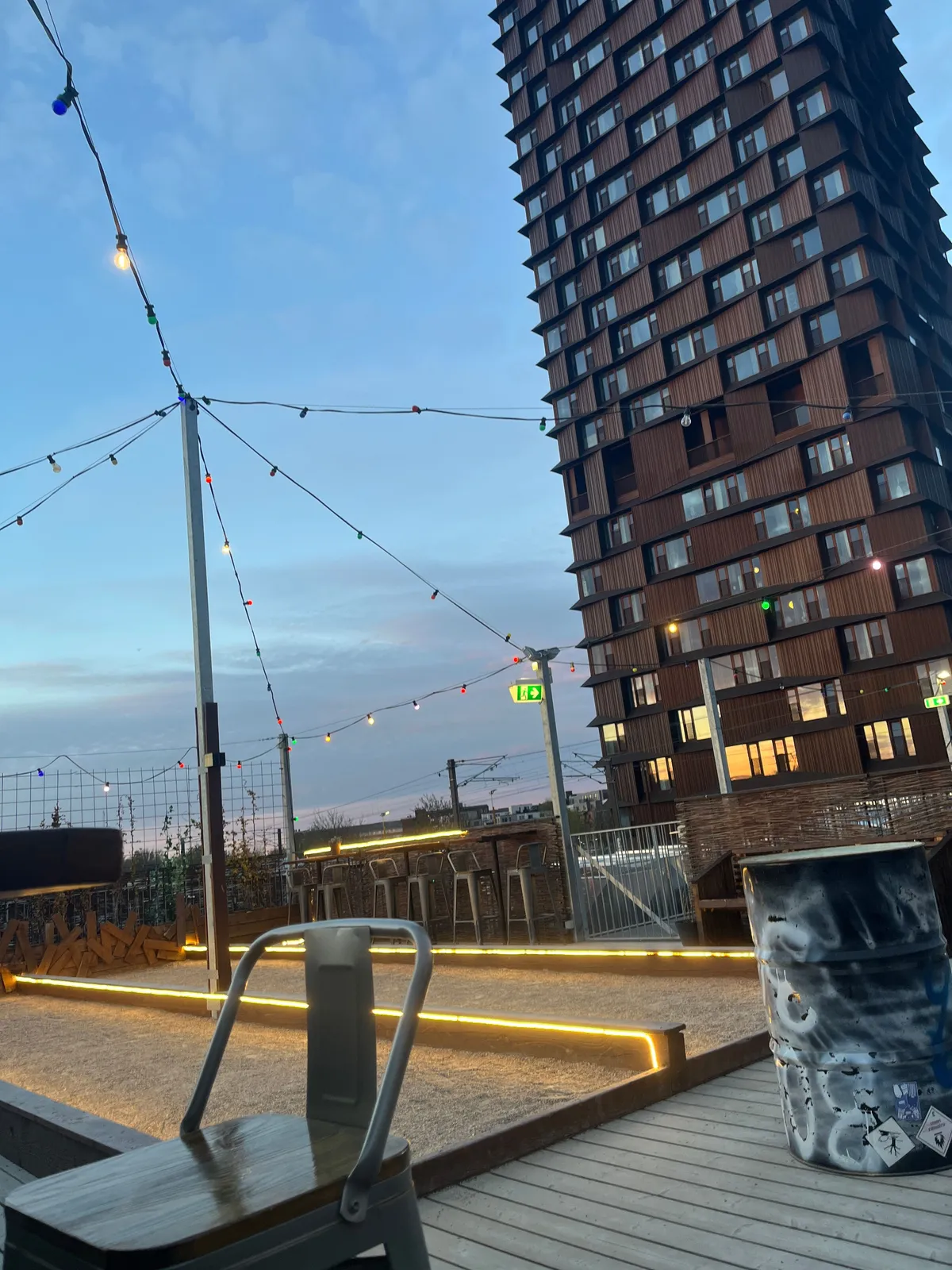
A candlelit dinner photographed from above. A rooftop sunset. A perfectly made bed with light streaming through the curtains. A laughing group shot in the lobby. Thousands of these moments are shared to Instagram, TikTok, and Stories every single day, and most hotel teams never see them, let alone use them.
That is the problem UGC solves. And it is the opportunity most hospitality brands are sitting on without fully realizing it.
What is UGC?
UGC stands for user-generated content. In hospitality, it means any content created by guests rather than by your brand.
That content can include photos, videos, reviews, social posts, captions, Stories, and even casual check-in mentions. If a guest creates it and it relates to their experience at your property, it counts as UGC.
It is not the polished brand shoot you commissioned last spring. It is not the cinematic video your agency produced. It is the photo a guest took because they genuinely loved your rooftop bar, and shared it because they wanted their friends to see where they were staying.
That is what makes UGC in hospitality so powerful: it is voluntary, authentic, and socially credible.
What does UGC look like in hospitality?
User-generated content hospitality teams can use usually falls into three categories.
Visual UGC
- Instagram photos of rooms, views, food, pools, terraces, and lobbies.
- Stories and Reels captured during a stay.
- TikTok clips showing check-in, room reveals, spa experiences, or local recommendations.
Text UGC
- Google reviews.
- TripAdvisor reviews and ratings.
- Booking.com feedback.
- X posts, captions, and check-in mentions referencing your property.
Video UGC
- TikTok hotel tours.
- YouTube travel vlogs featuring your property.
- Short-form clips from Stories and Reels.
For most hotels, the most immediately useful format is visual UGC. Guest photos and short videos can be repurposed across your website, social channels, email campaigns, and booking pages much faster than long-form written reviews.
Why does UGC matter so much in hospitality?
The short answer is simple: guests trust other guests more than they trust brands.
That is not a problem unique to hotels. It is just how people make decisions. When someone is considering where to spend €200 a night, a real guest photo taken from the balcony often carries more weight than a beautifully staged image from a professional shoot.
Widely cited consumer research has consistently shown that:
- Consumers trust earned media, including UGC, more than brand-produced advertising.
- Younger travelers are significantly more likely to book when they see authentic guest content on a hotel website.
- Website visitors spend longer on pages that include real customer imagery.
- UGC often has more influence on purchase decisions than polished influencer content.
Hospitality is a high-consideration category. People are not buying a T-shirt they can easily return. They are booking an experience, often in another city or country, with real money and real expectations attached.
UGC helps reduce that uncertainty. It shows what your property actually looks and feels like in real life, through the eyes of people who have already stayed there.
UGC vs. brand photography
Both matter, but they do different jobs.
Brand photography is controlled, polished, and consistent. It helps communicate your positioning and your visual identity. It is ideal for hero sections, brochures, PR features, and OTA listings where presentation needs to be sharp and standardized.
UGC is uncontrolled, authentic, and varied. It shows the lived reality of your property. It proves that the experience your brand promises actually exists when real people arrive.
That distinction matters. Guests can spot overly staged marketing instantly. They know the difference between a professionally lit suite shot and a spontaneous photo taken by someone who just opened the curtains and saw the ocean.
The strongest hotel marketing uses both:
- Brand photography sets the scene.
- UGC proves it is real.
There is also a practical difference. Professional shoots are expensive, infrequent, and static. A quality shoot can cost thousands of euros and still leave you with the same images for the next 12 to 24 months.
UGC is continuous. It updates naturally across seasons, guest types, and moments of the day. And it comes from the exact angles future guests actually care about.
How hotels are using UGC right now
The best hospitality marketers no longer treat guest content as something nice to have. They treat it as an ongoing content supply.
Here is how hotel UGC is being used across the marketing stack.
Social media
Reposting guest content keeps your feed active without requiring constant original production. It also tends to feel more native and trustworthy than heavily branded creative.
A guest's image of breakfast on the terrace often performs better than a perfectly edited brand asset because it looks like something users would naturally stop for in their feed.
Website galleries
Adding authentic guest photos to your rooms page, gallery, or booking journey helps visitors see the property from real-life perspectives. This can increase trust, time on site, and conversion.
Email campaigns
UGC works especially well in re-engagement emails, seasonal campaigns, and post-stay marketing. It makes promotional emails feel less like advertising and more like social proof.
OTA and review ecosystems
Even when platforms do not let you fully control how UGC appears, guest photo reviews still shape buying behavior. Many travelers scan guest-submitted images before they look at your official gallery.
Booking-page social proof
Displaying recent guest photos or reviews close to your booking CTA can reduce hesitation at the final stage of the journey. This is one of the highest-impact places to use authentic hotel social media content.
Paid social ads
Guest photos used in Meta and TikTok ads often outperform polished brand creative. They blend into feeds, feel believable, and avoid the instant “this is an ad” reaction.
The real UGC problem most hotels have
Most hotels are not struggling with a lack of content. They are struggling with a lack of system.
The content already exists. Guests are already posting. But it is scattered across Instagram tags, Story mentions, location pages, Google reviews, and direct messages.
Finding it manually is messy. Marketing teams end up searching hashtags, scrolling notifications, screenshotting posts, and copying links into random folders. Even if they find good content, they still need to answer the next question: do we actually have permission to use this?
That is where most teams stop.
Independent hotels and boutique groups usually do not have the time to run manual UGC collection every week. So the content goes unused, another photoshoot gets booked, and a valuable marketing asset sits in plain sight.
The problem is not that guests are not creating content. The problem is that hotels do not have a simple way to collect, clear rights, organize, and publish it.
How to collect UGC from your guests
There are two main approaches to collecting user-generated content hospitality brands can use.
Passive collection
Passive collection means monitoring social platforms for tags, mentions, hashtags, and location-based posts connected to your property.
This approach can help you discover content guests are already posting organically. The downside is that you depend on guests tagging you correctly, and you still need to sort through inconsistent quality.
Active collection
Active collection creates a specific moment in the guest journey where sharing is encouraged and guided.
That might be:
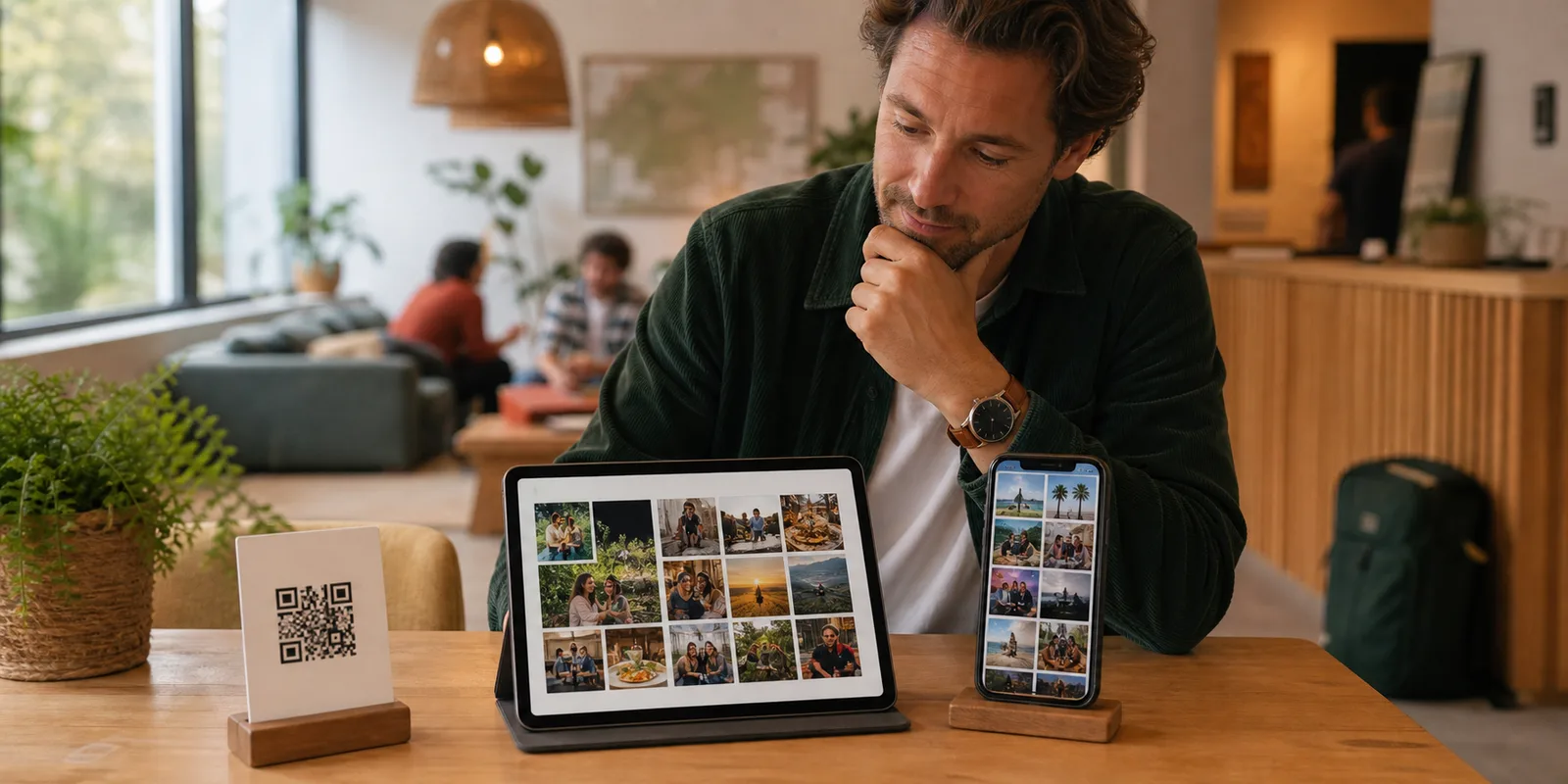
- A QR code at check-out.
- A tabletop prompt at the bar.
- A sign near your most photogenic space.
- An in-room card inviting guests to upload their favorite stay photo.
- A reward-based prompt such as a drink, discount, or giveaway entry.
Active collection usually produces better results because it is intentional. You can guide timing, prompt quality, and secure permission up front.
In practice, active collection tends to outperform passive collection on three things:
- Volume.
- Quality.
- Rights clearance.
What about content rights?
This is the question that makes many hotel marketers hesitate, and rightly so.
You cannot just repost a guest's photo because they tagged you. A tag is not the same thing as permission. Even if the guest is happy with their stay, you still need a rights grant before using their content in your own marketing.
The safest and most scalable approach is to request explicit permission before publishing. That can happen in a few different ways:
- A direct message or comment asking for approval.
- A UGC platform that automates rights requests.
- A structured guest submission flow where consent is built into the upload process.
The last option is often the cleanest, especially for GDPR-conscious teams in Europe. If the guest knowingly submits content through your own capture flow and agrees to the terms, you avoid much of the ambiguity that comes with retroactive social scraping.
Rights-cleared UGC is not just safer. It is more usable. Once consent is in place, your team can confidently publish across web, social, paid media, and email without second-guessing every asset.
What makes good hotel UGC?
Not every guest photo is worth publishing. The goal is not to use everything. The goal is to curate well.
Here is what to look for in authentic hotel photography and guest content marketing assets.
Good lighting
Natural light wins. Bright rooms, sunset moments, and well-lit interiors tend to perform best. Poorly lit photos can make even a beautiful property look flat.
Strong composition
The best UGC does not need to look professional, but it should still feel intentional. Clean framing and a clear focal point make a big difference.
Emotion
People connect with people. A couple watching the sunset, friends at dinner, or a solo traveler reading by the pool can tell a much stronger story than an empty room.
Variety
You want a content library that reflects the full experience, not just one photogenic corner. Good hotel UGC should include rooms, food, public spaces, amenities, views, and moments of connection.
Brand alignment
Authentic does not mean random. Boutique hotels especially should still curate for visual fit. The content should feel believable and real, but still aligned with the mood and positioning of the brand.
The business case for hospitality UGC
The economics are hard to ignore.
One professional shoot may give you 50 to 100 usable assets. It costs money, takes planning, and becomes dated faster than most teams expect.
A basic UGC program can generate fresh, rights-cleared guest content every month from people who were already taking photos anyway. That means a growing library of relevant, seasonal, real-world content without repeated production costs.
Over a year, that can mean:
- Hundreds of authentic images and clips.
- Better-performing social content.
- More trust on your website.
- Stronger ad creative.
- Less dependence on expensive shoots.
- A more believable brand presence overall.
The return on investment is not just in content volume. It is in credibility. In hospitality, credibility directly affects conversion.
If future guests trust what they see, they are more likely to click, stay longer, and book.
How to get started with UGC for your hotel
If you want to start simple, do this first.
1. Identify your most shareable spaces
Look at where guests already take photos. It might be your rooftop, your breakfast setup, your entrance, your pool, or a beautifully designed room corner.
Start where visual behavior already exists.
2. Create a clear sharing prompt
Add a simple, low-friction prompt that invites guests to share their favorite moment. QR codes work well because they make the step immediate.
Do not make guests work to understand what to do.
3. Collect content in one place
Screenshots and scattered downloads do not scale. Create a structured library where you can review, tag, approve, and retrieve content quickly.
4. Secure rights from the start
Build permission into the process wherever possible. This removes uncertainty and makes the content immediately usable.
5. Publish consistently
Do not wait for the perfect system or the perfect image. Start with one great piece of guest content this week, then build consistency from there.
UGC is already happening
UGC in hospitality is not a trend and it is not a gimmick. It is simply the recognition that your guests are already creating some of your most persuasive marketing for you.
They are showing future travelers what your property feels like in the real world. They are documenting the moments that matter. They are creating social proof at scale without being asked by your agency or your content team.
The opportunity is not to force guests to become creators. They already are.
The opportunity is to build a system that captures that content, clears the rights, and turns it into a living marketing asset for your hotel.
Your guests are already taking photos. Start using them.
EveryGuest helps hotels and hospitality venues collect, curate, and publish authentic guest content automatically. [Start your 30-day free trial →]